A hardware wallet, built into Magento checkout.
A hardware-backed, biometric digital wallet brings encrypted, tokenized payment to online checkout. IWD engineered the Magento extension that places its Tap to Pay and 1-click checkout on any store, decrypting the wallet's device token and routing it across multiple payment processors.
A global technology brand
Our client, a global technology company we're keeping confidential, built a hardware-backed, biometric digital wallet that brings encrypted secure storage to online checkout. Putting it in front of shoppers meant building it into Magento, the kind of payment work our Magento extension team is built for.
A hardware wallet needs to live where people check out.
So we built it into Magento.
Wallet Magento extension
A Marketplace extension placing the wallet button on any Magento 2 checkout, across major operating systems.
Device-token security
The wallet's encrypted EMV device token decrypted and routed to the processor, keeping card data off the store.
Multi-processor support
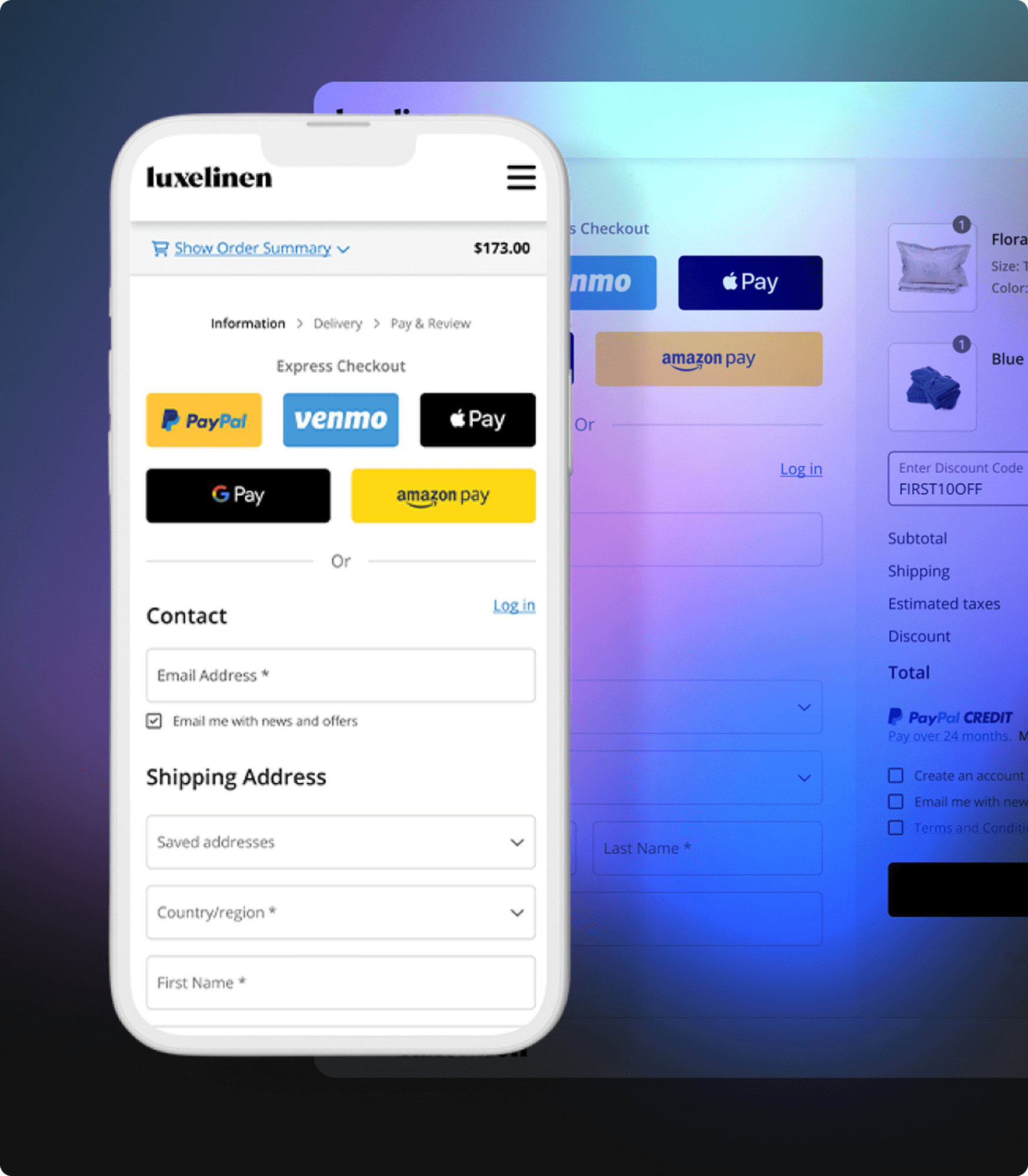
One wallet button routing through Braintree, Stripe, CyberSource, and Global Payments.
Tap to Pay
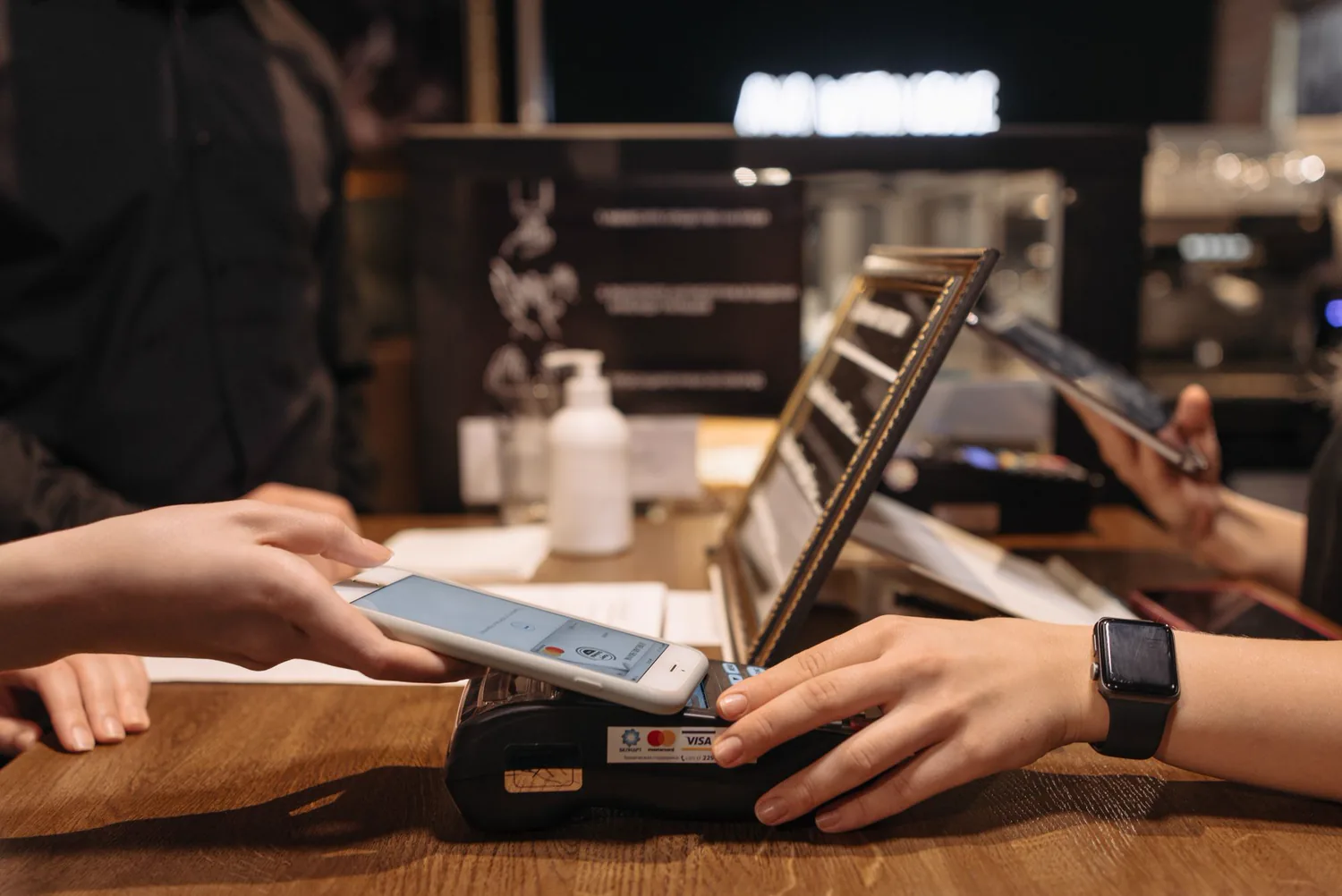
A contactless Tap to Pay flow rendered in the cart, with shipping details passed in from checkout.
1-click Quick Pay
Pre-enrolled wallet information, including shipping address, completes a purchase in a single confirmation.
Marketplace distribution
Documented, demo-store-ready, and license-scanned for publication on the Magento Marketplace.
One wallet, every checkout.
Routing a hardware wallet across multiple processors and checkout experiences, with card data tokenized end to end. That is payment engineering, and we built it as a product.
Many processors. One wallet button.
The platform, the marketplace, the processors, and the checkout. All wired around one tokenized wallet credential. The same button works wherever a merchant already takes payment.
 PlatformMagentoThe Adobe Commerce checkout the button lives in
- DistributionMagento MarketplaceWhere the extension is published for merchants
 PaymentsBraintreeProcessor routing for the wallet token
 PaymentsStripeProcessor routing for the wallet token
 PaymentsCyberSourceAuthorize, capture, and refunds
 PaymentsGlobal PaymentsAuthorize and authorize-and-capture
 SecurityEMV TokenizationDevice tokens decrypted, not card data
 CheckoutDominateWallet enabled in the Dominate checkout
 CheckoutTap to PayContactless tap-to-pay flow in the cart
Built in phases.
The wallet wasn't a single drop. Each phase widened where the wallet could appear and how merchants could offer it.
- Phase 01Build the wallet extension
The core Magento 2 extension that places the wallet button on any store checkout, decrypts the EMV device token, renders the payment sheet, and connects the first processor.
- Phase 02Add the processors merchants use
Additional payment processors so the wallet token can authorize, capture, and refund through the gateway a merchant already runs, not a forced switch.
- Phase 03Bring it to the checkout page
The wallet enabled in the Dominate checkout, with contactless Tap to Pay and 1-click Quick Pay pulling shipping and payment details from the wallet.
- Phase 04Ship it on the Marketplace
Documentation, demo stores, and open-source license scanning. The extension ships clean on the Magento Marketplace for any merchant to install.
One button, many rails.
The hard part isn't any single feature. It is making one hardware-wallet button work across several payment processors and checkout experiences, credential tokenized end to end, on any Magento store a merchant runs.
- Tokenized end to end. The wallet's EMV device token is decrypted and routed, so card data never lands on the store.
- Processor-agnostic. The same button rides Braintree, Stripe, CyberSource, or Global Payments.
- Built to distribute. Packaged, documented, and license-scanned for the Magento Marketplace.
A wallet that
meets shoppers at checkout.
The build is never the point. This is what the extension changes for shoppers and merchants.
Get this for your storeOne extension, any Magento store
Published on the Magento Marketplace, the extension lets any Magento 2 merchant add the wallet's payment button to checkout. A hardware wallet becomes something a store can simply install.
The build. Wallet, processors, checkout.
Token handling, processor integration, checkout UX, and Marketplace packaging. Each piece built so the same button works on any store. The product is owned by the client.
PlatformWallet Magento Extension
What it doesThe core Magento 2 extension that places the wallet payment button on any store's checkout, built to run across major desktop operating systems and any current Magento 2 storefront.
Why it matteredA hardware wallet only reaches shoppers if it lives where they check out. A native Magento extension is how it becomes a button on real stores.
SecurityEMV Device-Token Decryption
What it doesDecryption logic for the wallet's EMV device token, a tokenized credential rather than a raw card number, passed to the processor for authorization.
Why it matteredTokenization is the whole point of the wallet. Handling the device token instead of card data keeps sensitive details off the merchant and inside the secure path.
ExperienceWallet Payment Sheet
What it doesThe wallet payment sheet integrated into checkout, with failure messaging injected back into the sheet and account creation for non-guest shoppers.
Why it matteredThe payment sheet is where the shopper confirms. Clean success and failure states are what make the experience feel native, not bolted on.
PaymentsBraintree & Stripe Support
What it doesExtended the core Braintree and Stripe Magento payment integrations to accept the wallet's decrypted token. These were the first processors the button could route through.
Why it matteredMerchants already run these gateways. Extending them rather than replacing them lets the wallet ride existing payment relationships.
PaymentsCyberSource Integration
What it doesExtended the official CyberSource Magento integration to process the wallet token, with authorize-and-capture plus full and partial refunds.
Why it matteredRefunds and capture are table stakes for a real payment method. Without them the wallet is a demo, not a processor option.
PaymentsGlobal Payments Integration
What it doesExtended the Global Payments Magento integration for the wallet token, with authorize and authorize-and-capture in the store's base currency.
Why it matteredEach processor models payments differently. A dedicated integration maps the wallet token onto Global Payments' own authorize-and-capture flow.
CheckoutDominate Checkout Integration
What it doesThe wallet enabled as a payment method in the Dominate checkout, with button placement and default selection when a wallet account is present.
Why it matteredMeeting shoppers in the checkout they already use widens where the wallet can appear, beyond a single store's native flow.
CheckoutTap to Pay Experience
What it doesA contactless Tap to Pay flow rendered in an iframe in the cart. The shopper presents a contactless card or mobile wallet, and shipping details pass in from the checkout page.
Why it matteredTap to Pay turns checkout into a physical gesture. Embedding it in the cart keeps the experience inside the normal shopping flow.
Checkout1-Click Quick Pay
What it doesA quick-checkout button using pre-enrolled wallet information, including the stored shipping address, to complete a purchase without re-entering details.
Why it matteredEvery field a shopper skips is friction removed. The wallet collapses checkout into a single confirmation.
DistributionMarketplace Packaging & Compliance
What it doesPackaged the extension for the Magento Marketplace with full documentation, demo stores, and passing open-source and static license scanning.
Why it matteredMarketplace distribution is what makes the wallet broadly available. The platform's scanning and documentation requirements are the gate to getting there.


Got a payment or platform idea to ship?
We engineer Magento and Adobe Commerce extensions and payment integrations, and see them through to shipping. Tell us what you're building.