Ecommerce performance optimization, measured in revenue, not scores.
Every extra second of load time taxes the same three numbers: bounce rate, add-to-cart, and checkout completion. A green Lighthouse score is not the goal; the revenue behind it is. We are a senior engineering team that tunes every layer on Shopify, Adobe Commerce, and BigCommerce: TTFB, caching and CDN, images, JavaScript and CSS, database and search. We prove the gains against Core Web Vitals and your conversion rate, and make sure they hold. 18 years, no junior bench.








You’ll know every name on your project.
- 175+ years of combined ecommerce experience.
- Senior developers & designers, dedicated PM & CXM.
- Over a decade together for most of us. Average tenure is nine years.
- 15 people. Lean mean machine.
 Joe M.Founder & CEO
 Max D.CTO
 Marcos A.Senior Project Manager
 Yaro P.Lead Full-Stack Developer
 Bohdan B.Senior Frontend Developer
When the store is slow, you are paying for it on every page load.
Most teams call us with the same symptoms: a high time to first byte, a failing Core Web Vitals report, a checkout that stalls on mobile, and a front-end carrying years of stacked apps and scripts. A slow store quietly taxes conversion, ad spend, and search rankings at the same time. We replace the guesswork with measurement, fix the layers that actually move the numbers, from caching and CDN to images and the theme, and verify the result against real Core Web Vitals. If you want the full diagnosis first, start with a code audit, and when the fixes are worth doing, our ecommerce development team can carry them.
Credentials & recognition.
 Adobe Solution Partner
 Shopify Plus Partner
 BigCommerce Elite Partner
 Salesforce Partner
 Klaviyo Partner







We're here to help you win, plain and simple.
Same senior team from kickoff to launch and beyond. We do not outsource, we do not disappear after go-live, and we do not hand you off.
Across every phase. Discovery, build, launch, and growth, the same senior team stays with you.

Our job is to get you promoted.
You're going to love coming to work. Think of us as an extension of your team, here whenever you need us. Our mission is simple: your store wins, and so do you.
Nine layers of speed, tuned by the engineers who could also rebuild them.
We do not install a single optimization app and call it done. Senior engineers work through every layer that decides how fast the store feels, from the first byte the server ships to the last script the browser runs, then prove each gain against Core Web Vitals.
Platform tuning or headless rebuild? Your ceiling decides where the speed comes from.
Most stores do not need a rebuild to get fast. But there is a point where the platform theme is the ceiling, and no amount of caching moves the needle further. The honest answer depends on where your bottleneck actually lives, and we measure that before we recommend either path. Here is how we think about the choice.
For most Shopify, Adobe Commerce, and BigCommerce stores, the fastest win lives in the stack you already run. We lift cache hit rate and tune the CDN, ship next-gen images and lazy-load below the fold, defer and split JavaScript, cut render-blocking CSS, and tame the third-party scripts that stack up over years of marketing tools. On Adobe Commerce we go deeper into full-page cache, Redis, the database, and search. This path keeps your current theme and platform, lands measurable gains in weeks, and costs a fraction of a rebuild. It is the right fit when the back end and the script load, not the front-end framework, are what is holding the numbers back, which is true more often than teams expect.
- The bottleneck is cache, images, scripts, or the back end
- You want measurable gains in weeks, not a rebuild
- Budget and timeline matter more than a clean-slate front-end
Sometimes the platform theme itself is the ceiling. A heavy framework, a render path you cannot fully control, and a front-end carrying years of compromise can cap how fast the store will ever feel, no matter how well the back end is tuned. When measurement shows that, a headless front-end or a Hyva theme on Adobe Commerce gives you full control of what renders and ships a fraction of the weight. It is a bigger investment with a longer timeline, so we never recommend it on a hunch. We size the payback first, in real speed and real conversion, and only point you down this road when the numbers say the rebuild earns its cost. When they do, the gain is a step change, not an increment.
- The front-end framework is the proven ceiling on speed
- You want full control of the render path and the payload
- A step change in speed justifies a larger investment
Weighing a clean-slate front-end? See how we architect and ship it on headless commerce development.
Proof behind the partnership, not just a pitch.
A few of the stores our senior team has shipped, scaled, and stayed on to grow.

Inyo Pools
A Hyva-themed Adobe Commerce storefront for a high-traffic pool and spa parts retailer.

US Camera Pro
A Magento store for a camera and optics retailer, with M2E marketplace sync across channels.
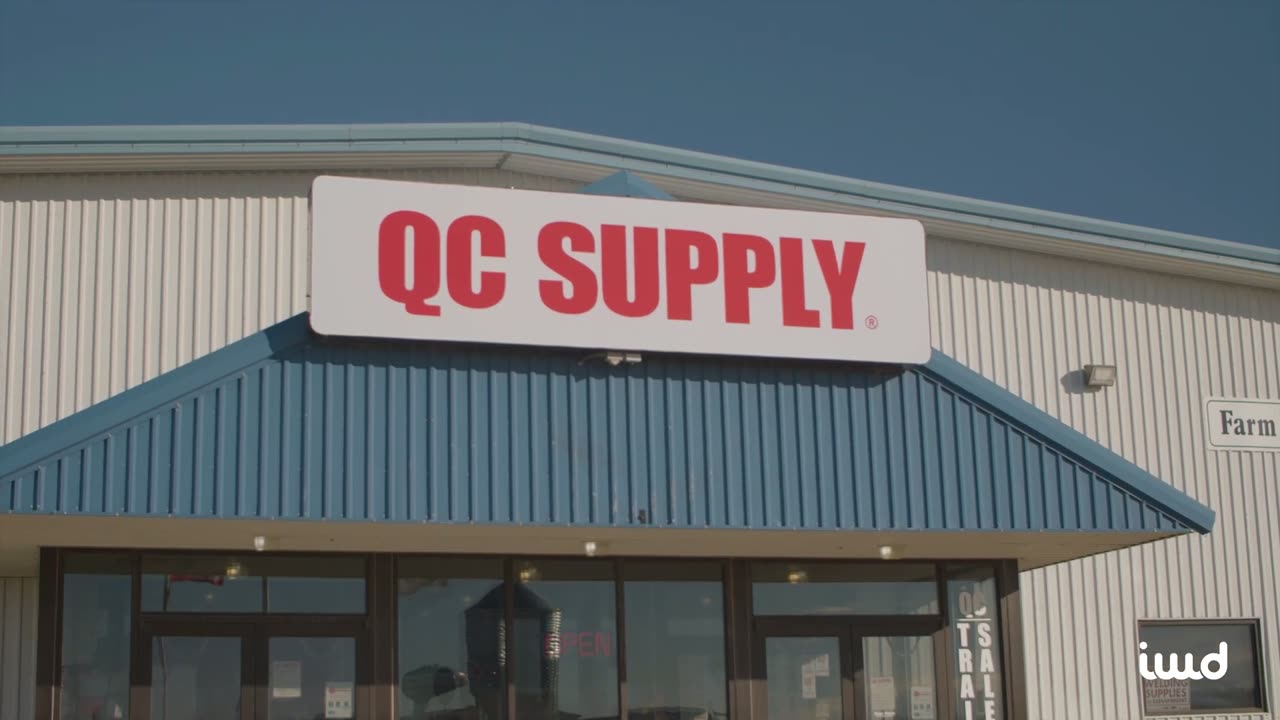
QC Supply
An enterprise Magento B2B rebuild with GroupBy search and Microsoft Dynamics ERP for a high-SKU distributor.
A faster store from a team that has to stand behind the numbers.
Speed work is only worth it if the gains are real and they last. We are not a vendor that bolts on a cache app and disappears. We are senior engineers who tune, build, and run ecommerce stores every day, so the fixes come from people who know what actually moves Core Web Vitals.
Senior engineers, not a speed plugin
The people tuning your store are senior engineers who build and scale ecommerce for a living. Speed comes from fixing root causes in the stack, not from installing one more optimization app and hoping it sticks.
Core Web Vitals are the scoreboard
We measure with field data and lab data, fix the front-end and back-end causes behind LCP, INP, and CLS, then re-measure. You get passing thresholds and the conversion lift a faster store earns, not a one-time score that drifts.
Every layer, from TTFB to the front-end
Cache and CDN, the database, search, images, JavaScript, CSS, the theme, and third-party scripts all decide how fast the store feels. We work the whole stack, so we fix the real bottleneck instead of the easy one.
Gains that hold after we leave
We document what we changed and set up monitoring so a future deploy or a heavy app cannot silently undo the work. The store stays fast, and you own the report and the plan with no lock-in.
From a baseline to passing Core Web Vitals, in two to four weeks.
Measure
We baseline the store with field and lab data, profile server response and the front-end, and pinpoint the slow queries, cache misses, and heavy scripts that decide how the page actually feels.
Fix the back end
We lift cache hit rate, tune the CDN, fix indexing, and tune the database and search, so the server ships the first byte fast and stays fast as traffic and the catalog grow.
Fix the front end
We optimize images, defer and split JavaScript, cut render-blocking CSS, tame third-party scripts, and, where the theme is the ceiling, move to Hyva or a headless build, so the page draws quickly on a real phone.
Verify & protect
We re-measure against Core Web Vitals to prove the gains, then set up monitoring and document the changes so the speed holds through future releases instead of decaying release after release.
What merchants ask before a performance optimization engagement.
The questions we hear most before the performance work starts. If yours isn't here, just ask.
What does ecommerce performance optimization involve?
It is a senior performance engagement that targets every layer that decides how fast your store feels: server response and TTFB, caching and CDN delivery, image and JS/CSS optimization, the front-end theme, database and search tuning, and third-party script weight. We measure the store, fix the real bottlenecks, and verify the gains against Core Web Vitals, whether you run Shopify, Adobe Commerce, or BigCommerce.
Will this fix my Core Web Vitals?
That is the goal. We treat Largest Contentful Paint, Interaction to Next Paint, and Cumulative Layout Shift as the scoreboard, not vanity scores. We work both field data and lab data, fix the front-end and back-end causes behind each metric, and re-measure so you can see passing thresholds and the conversion lift that follows a faster store.
How do you reduce TTFB and server response time?
We profile what the server is doing before the first byte ships: full-page cache hit rate, slow database queries, heavy work running on every request, and uncached blocks. We lift cache hit rate, push static and media to a CDN, and cut the work that does not need to happen on every page load, so the first byte arrives fast.
Does the work change across Shopify, Adobe Commerce, and BigCommerce?
The principles hold on every platform, but the levers differ. On Shopify and BigCommerce much of the win is in the theme, the apps, and third-party scripts, since the platform owns the hosting and CDN. On Adobe Commerce we also tune full-page cache, Redis, the database, and search directly. We work to each platform's reality rather than forcing one playbook.
Do I need a headless or Hyva front-end to be fast?
Not always. Many stores get most of the win from caching, image, script, and back-end work on the theme they already run. But when a heavy front-end is the ceiling, we will recommend a Hyva theme on Adobe Commerce or a headless build, with an honest read on the cost and the payback before you commit.
How fast will we see results, and is the work permanent?
Most engagements deliver measurable speed gains inside two to four weeks, with the highest-impact caching and back-end fixes landing first. The gains last because we fix root causes and document what we changed, and because we set up monitoring so a future deploy or a heavy app cannot quietly undo the work.
Find out how fast your store could really be.
Tell us which platform you run, where the store feels slow, and what your Core Web Vitals look like today. We will come back within one business day with how we would speed it up, a real timeline, and a real scope.