

 Partner

ERP integration services for ecommerce teams that are done rekeying orders.
Ecommerce ERP integration decides whether your store and your back office agree on every price, stock level, customer account, and order. IWD is a senior team that builds that connection for Magento, Adobe Commerce, Shopify, and BigCommerce stores running Microsoft Dynamics, Sage, Infor, SAP, Epicor, Acumatica, and NetSuite, including the custom systems no connector supports.
You’ll know every name on your project.
- 175+ years of combined ecommerce experience.
- Senior developers & designers, dedicated PM & CXM.
- Over a decade together for most of us. Average tenure is nine years.
- 15 people. Lean mean machine.
 Joe M.Founder & CEO
 Max D.CTO
 Marcos A.Senior Project Manager
 Yaro P.Lead Full-Stack Developer
 Bohdan B.Senior Frontend Developer
Ecommerce ERP integration that keeps every price, stock level, and order in agreement.
In most B2B and high-SKU businesses, the ERP is the system finance trusts and the storefront is the system customers use. When the two disagree, people fill the gap by hand. These are the five symptoms we see most often before a company calls us, and every one of them is an integration problem rather than a staffing problem.
Orders are rekeyed into the ERP by hand
Someone on the order desk copies web orders into the ERP every morning, so every typo becomes a shipping or invoicing problem and nothing scales past the hours in their day.
Wholesale buyers see the wrong price
Contract pricing, customer price levels, and quantity breaks live in the ERP, but the storefront shows list price, so reps correct orders after they arrive and buyers learn to call instead of clicking.
Stock is wrong by lunchtime
Inventory updates once a night from a spreadsheet or a file drop. By midday the store is selling stock that already shipped from another channel or warehouse.
Terms, PO numbers, and tax exemptions get lost
Net terms orders land as card sales, purchase order numbers disappear, and exemption certificates live in an inbox, so accounts receivable fixes them one by one at month end.
Every new store, region, or ERP breaks the mapping
The integration was built for one storefront and one company. A second brand, a new subsidiary, or an ERP upgrade means starting over because nobody documented the rules.
ERP ecommerce integration for the systems manufacturers and distributors actually run.
Every ERP exposes its data differently, and every business configures it differently. These are the ERPs we build for, with the project behind each one where there is a public case study.
Microsoft Dynamics (Business Central, Dynamics 365, NAV)
Bi-directional Business Central sync for BinMaster's Adobe Commerce store, and Dynamics NAV driving catalog, inventory, pricing, and orders behind QC Supply's headless Adobe Commerce B2B platform, with 10+ B2B pricing tiers.
Sage (Sage 100, Sage Intacct)
Sage Intacct reconciliation, tax, and payment flows kept healthy for Warner Press's Magento store, and a two-way Sage 100 integration we are building as the financial source of truth for Inyo Pools' new multi-vendor dropship platform.
Infor SyteLine
Bidirectional sync with Infor SyteLine through its IDO REST API for DMC, an aerospace tooling manufacturer: customers, payment terms, products, inventory, lead times, orders, and shipments, with ERP-driven ship dates on every product page.
Oracle NetSuite
Integration design, B2B pricing and terms, multi-subsidiary routing, and custom NetSuite workflows, alongside Dominate, the self-serve NetSuite connector built by our team for stores that only need a standard sync.
SAP, Epicor, and Acumatica
We connected a Fortune 500 manufacturer's Magento parts store to SAP through scheduled order and inventory file exchange, and our team has worked on Epicor and Acumatica integrations too. Each one exposes its data differently, through APIs, middleware, or scheduled files, so we start by confirming what your version and hosting setup actually allow.
EDI and back-office systems
Real-time EDI that pushes every order to the back-office ERP the moment it lands, as we built for ADTRAN, plus order management, warehouse, tax, and payment systems that also need to agree with the ERP.
Running a homegrown ERP, an older on-premise version, or a system no one has connected to your platform before? That is a large share of our work. If it has an API, a database we can read safely, or a reliable file export, we can usually build a stable integration around it.
B2B ecommerce ERP integration, from the first data map to year-three support.
A connector moves records. The value is in the decisions around it: which system owns what, how conflicts resolve, what happens when an API is down at 2 a.m., and how B2B rules reach the buyer at checkout. This is the work our engineers do on every ERP project.
Integration design and data mapping
A written plan for which system owns products, prices, inventory, customers, and orders, plus field-level mapping and conflict rules, agreed with operations and finance before anyone builds a sync.
Customer accounts, pricing, and terms
Company accounts, contract and customer-specific pricing, net terms, credit limits, PO numbers, and tax exemptions carried from the ERP to the storefront, so B2B buyers see their price and their terms.
Inventory and lead times across locations
Stock by warehouse, available-to-promise, and lead times pulled from the ERP on the schedule your business needs, from hourly batches to live lookups on the product page.
Orders, shipments, and invoices back to the ERP
Web orders posted as the right transaction type with payment, tax, and freight intact, then shipment tracking and invoices returned to the storefront and the customer account.
Supplier and distributor feeds
Live cost and inventory from the distributors you dropship from, routed into the catalog and the purchase order flow, the way we are building it for Inyo Pools with three national distributors.
Custom APIs, middleware, and support
When no connector exists, we write the middleware or API layer ourselves, add logging and alerts so failures surface before customers notice, and stay on to support it as your ERP changes.
Building the B2B storefront too? Our B2B ecommerce development team designs company accounts, quotes, and ordering around the ERP data from day one.
ERP integration work from a team with the reviews to back it.
 Adobe Solution Partner
 Shopify Plus Partner
 BigCommerce Elite Partner
 Salesforce Partner
 Klaviyo Partner







How the ERP connects depends on the platform it connects to.
The same ERP behaves differently behind each ecommerce platform. Rate limits, B2B data models, and where custom logic can live all change the design. We build on all four, so the recommendation follows your systems rather than our preferences.
Magento
Magento Open Source gives you full control of the code, so ERP data can drive pricing rules, customer groups, and checkout logic directly. Most of the work is in the custom modules and the queueing that keeps the sync stable through reindexes and upgrades.
Adobe Commerce
Adobe Commerce adds native B2B: company accounts, shared catalogs, negotiated quotes, and purchase order approvals. Each one has to map to the ERP's customer hierarchy, price lists, and transaction types, on Cloud or on-premise.
Shopify and Shopify Plus
Shopify Plus B2B brings company locations, catalogs, and payment terms that need clean routing to the ERP. We work within Shopify's API limits, build custom apps where the ERP needs logic Shopify does not have, and keep the apps around the store in the same sync.
BigCommerce
BigCommerce B2B Edition and Multi-Storefront add customer groups, price lists, quotes, and storefront routing. We align those with the ERP's price levels and companies so each storefront posts orders to the right entity.
Pre-built connector or custom ERP integration? Choose by your rules, not by habit.
Most agencies sell the integration method they already know. We start from your ERP version, your order volume, and how specific your pricing and fulfillment rules are, then recommend the lightest approach that will still hold up a year from now.
| Pre-built connector | Custom API or middleware | |
|---|---|---|
| Best for | Standard records: one store, simple pricing, orders that post the same way every time | Contract pricing, terms, several warehouses or companies, supplier feeds, or an ERP with no connector |
| Speed to launch | Fastest when your data already fits the connector's model | Designed and built with your team, then tested against real orders |
| Flexibility | Limited to the fields and flows the vendor supports | Any rule your business needs, written once and documented |
| Who maintains it | The connector vendor, plus your configuration | IWD under a support plan, or your own team with our documentation |
| Examples from our work | Dominate for NetSuite, Greytrix GUMU for Sage Intacct at Warner Press | Infor SyteLine IDO REST at DMC, Dynamics NAV at QC Supply, distributor APIs in build for Inyo Pools |
Many projects use both: a connector for the standard records and custom code for the rules that make your business different.
Stores where the ERP integration is the business.
A dropship platform being built around national distributor feeds and Sage 100, an aerospace tooling manufacturer on Infor SyteLine, and a farm and ranch distributor on Dynamics NAV.

Inyo Pools
A Hyva-themed Adobe Commerce storefront for a high-traffic pool and spa parts retailer.

DMC
An Adobe Commerce storefront with deep catalog and inventory integration for a B2B distributor.
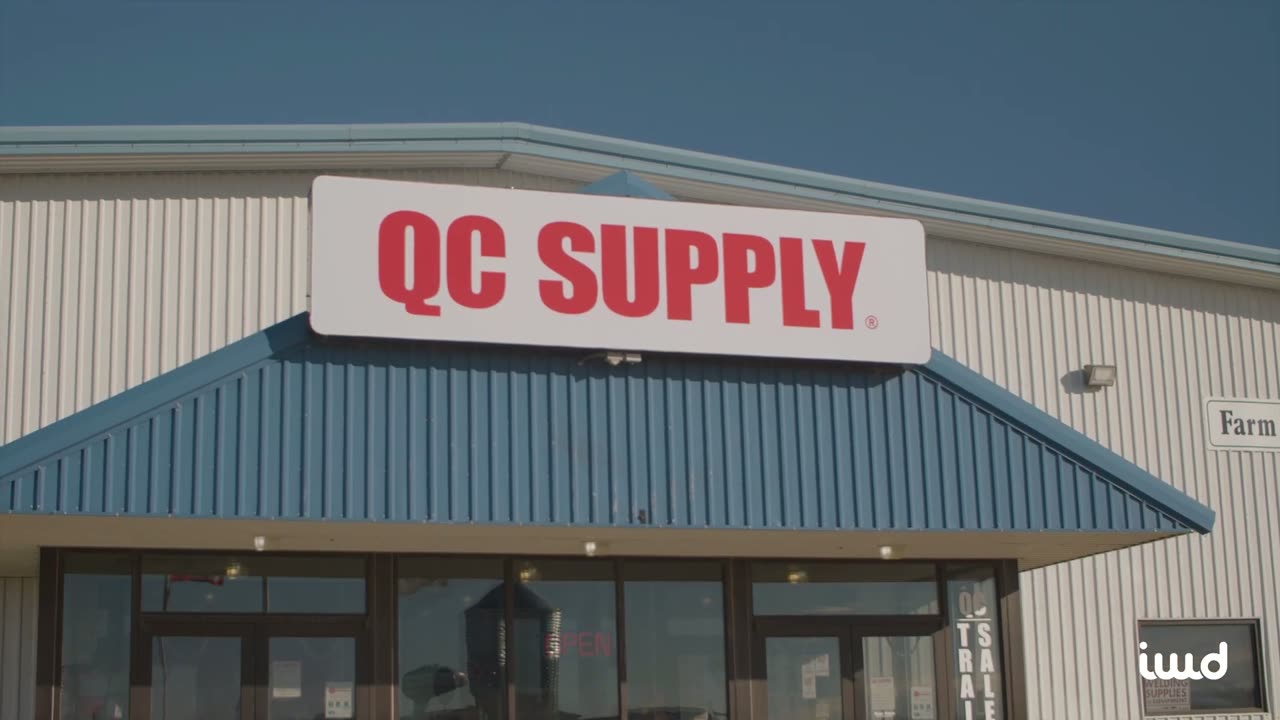
QC Supply
An enterprise Magento B2B rebuild with GroupBy search and Microsoft Dynamics ERP for a high-SKU distributor.
ERP integrations running in live stores, with a case study behind each one.
These are shipped builds, not a logo wall: the ERP, middleware, tax, and payment systems we have wired into client stores. Each cell links to the project it came from.
 ERPNetSuiteTwo-way sync through Dominate, the connector we build and maintain in-house
 ERPMicrosoft DynamicsMore than ten contract pricing tiers, headless, at QC Supply
 OperationsReal-time EDIEvery order pushed to the back-office ERP the moment it lands, at ADTRAN
 ERPInfor SytelineCustom document profiles and due-date writeback, at DMC
 ERPSageWholesale orders and the back office in lockstep, at Warner Press
 MiddlewareGreytrixThe Sage-to-Magento bridge behind Warner Press
 MiddlewareDCKAPCatalog and order sync for Adobe Commerce B2B, at SchoolFix
 TaxAvalaraAutomated tax across jurisdictions, at SchoolFix
 PaymentsPayFabricIntegrated payment capture against Sage, at Warner Press

Our job is to get you promoted.
You're going to love coming to work. Think of us as an extension of your team, here whenever you need us. Our mission is simple: your store wins, and so do you.
An ERP integration company that also builds the storefront.
Most ERP integration problems sit on the boundary: a storefront rule the ERP does not know about, or an ERP rule the storefront cannot show. Because IWD builds the Magento, Adobe Commerce, Shopify, and BigCommerce stores as well as the integrations behind them, one senior team owns both sides of that boundary.
Both sides of the integration
Storefront modules and ERP-side work come from the same engineers, so fixes do not stall between two vendors pointing at each other.
Systems nobody has connected before
Older on-premise ERPs, homegrown order systems, and distributor feeds without documentation are normal projects for us, not exceptions.
B2B depth
Contract pricing, company accounts, quotes, net terms, and tax exemptions are where ERP integrations get hard, and they are the core of our B2B practice.
Honest scoping
If a pre-built connector covers your needs, we recommend it and step back. Custom work is for the rules that genuinely need it.
Every ERP integration starts with a written data map, then the code.
Integrations that skip the mapping step are the ones that need rescuing a year later, usually after a new warehouse, a new price list, or an ERP upgrade breaks an assumption nobody wrote down. We run it in this order every time.
Assess
A 30-minute call on your platform, your ERP and its version, and what has to sync. If a pre-built connector will do the job, we say so and point you to it.
Map
We document record ownership, field mapping, B2B rules, timing, and error handling, and agree on them with operations and finance before configuration or code starts.
Build and test
We configure the connector or write the middleware and APIs, then run real sample orders through every customer type, payment method, warehouse, and fulfillment path.
Go live and support
We switch on live sync, watch the first weeks of orders closely, and support the integration as your catalog, stores, and ERP configuration change.
Moving off an old platform at the same time? Our ecommerce replatforming team plans the ERP integration into the migration, so the new store launches already connected.
What teams ask before hiring an ERP integration partner.
The questions we hear most on the first call. If yours isn't here, just ask.
What do ERP integration services include?
ERP integration services cover everything between the storefront and the ERP: deciding which system owns each record, mapping fields, carrying customer accounts, pricing, terms, and tax exemptions, syncing inventory and lead times, posting orders and returning shipments and invoices, connecting supplier feeds, building custom APIs or middleware where no connector exists, and supporting the integration after launch.
Which ERPs do you integrate with ecommerce platforms?
We have integrated Microsoft Dynamics (Business Central and NAV), Sage Intacct, Infor SyteLine, Oracle NetSuite, SAP, and EDI-based back offices with ecommerce stores, we are building two-way Sage 100 integrations now, and our team has worked on Epicor and Acumatica integrations as well. We build for Magento, Adobe Commerce, Shopify, and BigCommerce. If your ERP is not on that list, we assess its API or file options on the first call and tell you plainly what it would take.
Should we use a pre-built connector or a custom integration?
Use a connector when your rules are standard: one store, list or simple customer pricing, and orders that post the same way every time. Choose custom work when pricing, terms, warehouses, subsidiaries, or supplier feeds are specific to your business, or when no connector exists for your ERP version. Many projects combine both, with a connector for standard records and custom code for the rules that make your business different.
Can you connect a system that has never been integrated with our platform before?
Yes. That is a large share of our work. If the system exposes an API, a database we can read safely, or a reliable file export, we can usually build a stable integration around it, with queueing, retries, and alerts so it holds up in daily use. We confirm feasibility in the assessment before you commit to a build.
Can the storefront show B2B pricing and terms straight from our ERP?
Yes. Contract pricing, customer price levels, quantity breaks, net terms, credit limits, PO numbers, and tax exemptions can all come from the ERP, so B2B buyers see the same price and terms your sales team quotes. We decide with you whether prices sync on a schedule or are looked up live, based on catalog size and how often prices change.
We are changing ERPs soon. Should the ecommerce work wait?
Usually not. We often build phase one against the current ERP and design the integration layer so the ERP can be swapped later without rebuilding the store. If the new ERP is close to go-live, we plan the timing so the storefront integrates once, against the system you will keep.
Do you support the integration after launch?
Yes. ERP integrations change whenever your catalog, pricing, warehouses, or ERP configuration change. We offer ongoing support for monitoring, mapping changes, upgrades, and new flows, as part of our wider ecommerce support work.
Tell us which ERP you run and what your team still does by hand.
Send us your platform, your ERP and its version, and the work your team repeats every day. We will come back within one business day with an honest read on whether you need a connector, a custom integration, or both.