The right part for the right machine, found by serial number.
For a Fortune 500 heavy-equipment OEM, the wrong part means a return, a service call, and downtime. IWD built a B2B parts finder on Magento that matches by model and serial number, so customers get the one part that fits their machine.
Find the one part that fits
Our client is a Fortune 500 manufacturer of compact construction and agricultural equipment, selling parts and attachments online to dealers, technicians, and owners. The problem: a buyer has one machine, identified by model and serial number, and needs the exact part that fits it out of thousands of SKUs. A flat search returns noise. The fix is a real parts finder built on Adobe Commerce. This study covers the findability work; the full program covers everything else we built for the same OEM.
A parts finder that knows your machine.
Shop by model + serial
Start from the machine and narrow the catalog to the parts that actually fit it.
Serialized compatibility
Parts mapped to serial-number ranges, with explicit handling for universal parts.
Predictive search
Typo-tolerant ElasticSearch suggestions after just a few characters.
Exact-fit relevance
Tuned weights and demotion rules so the right part outranks the noise.
Attachments too
Match attachments and accessories to compatible machines, not just parts.
Refine the results
Layered navigation and keyword redirects to close in on the exact part.
The right part, every time.
A parts buyer doesn't want ten results. They want the one that fits their machine.
Search, serialized, and tuned.
ElasticSearch, a serial-aware catalog, and shop-by-model matching, all running inside one Magento (Adobe Commerce) store.
 PlatformMagento / Adobe CommerceThe store the finder lives in
 SearchElasticSearch EngineFast, typo-tolerant catalog search
 FinderShop by Model + SerialMachine to exact compatible parts
 CatalogSerialized CatalogParts mapped to serial-number ranges
- ExperienceLayered NavigationFast, predictable result filtering
- RelevanceRelevance RulesWeights, boosts, out-of-stock demotion
- RelevanceUniversal-Part RulesShow-for-all parts kept from drowning results
 PerformanceQuery CachingIn-memory cache for fast finder responses
- ExperienceSearch RedirectsCommon keywords routed to the right place
From catalog data to exact-fit results.
Each phase builds on the one before it.
- Phase 01Make the catalog serial-aware
Mapping parts to the serial-number ranges they fit and flagging universal, show-for-all parts, so compatibility lives in the data the finder can trust.
- Phase 02Match the machine
Building shop by model and serial number, plus attachment and additional serial-number matching, so a customer reaches the parts that fit their specific machine.
- Phase 03Tune the relevance
Adding predictive ElasticSearch, tuning search weights across the attributes parts buyers use, and adding rules that demote out-of-stock, scale-model, and universal items so the exact-fit result comes first.
- Phase 04Finish the results experience
Improving filtering and layered navigation and adding search redirects for common keywords, so customers can close in on the exact part quickly and predictably.
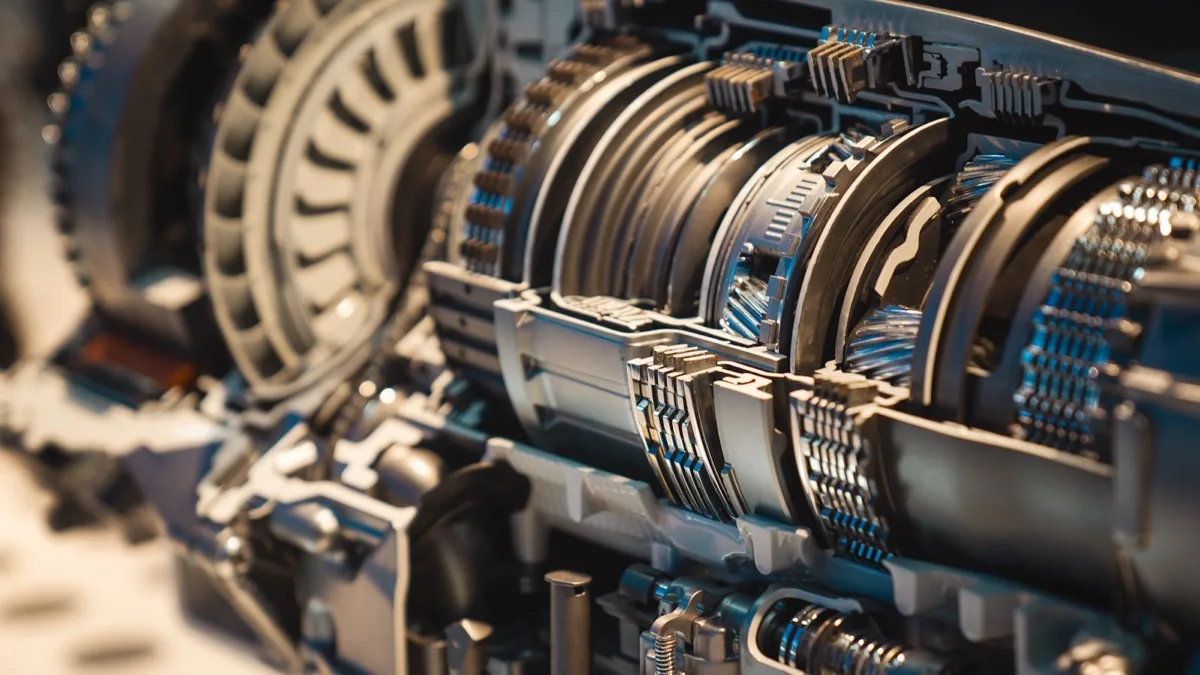
Search that knows which part fits.
The hard part isn't returning results. It's returning the one right result, ranked above universal parts and out-of-stock items, across thousands of serial-driven SKUs.
- Serial-aware. Parts mapped to the serial ranges they fit, so compatibility is data, not guesswork.
- Relevance-tuned. Weights, boosts, and demotion rules put the exact-fit result first.
- Predictive. ElasticSearch suggestions catch the customers who don't search by serial number.
A finder that
ends the guessing.
What a serial-aware parts finder changes for the dealers, technicians, and owners buying parts.
Get this for your storeThe exact part, not a guess
Customers start from their machine, enter model and serial number, and see only the parts that fit. No more scrolling thousands of SKUs hoping for a match.
The finder, part by part.
Here's everything we built into the finder.
FinderShop by Model & Serial Number
What it doesThe core of the finder: a customer identifies their machine by model and serial number, and the catalog narrows to the parts and attachments that fit that specific machine.
Why it matteredEquipment parts are serial-specific. Matching on model and serial number is the difference between a part that fits and a return.
CatalogSerialized Compatibility Mapping
What it doesParts mapped to the serial-number ranges they fit, with explicit handling for universal parts flagged to show for all serial numbers, so compatibility is data-driven rather than guesswork.
Why it matteredA serial-aware catalog is what lets the finder promise an accurate result. Without it, every search is a maybe.
RelevanceUniversal-Part Filtering
What it doesScoring rules that keep parts marked to show for all serial numbers from outranking the exact-fit match, so universal items support the results instead of burying them.
Why it matteredUniversal parts are useful but noisy. Demoting them keeps the machine-specific match where the customer can see it.
SearchPredictive Catalog Search
What it doesA typo-tolerant predictive search built on a dedicated ElasticSearch engine, surfacing suggestions after a few characters for any non-serial-number term entered.
Why it matteredNot every customer searches by serial number. Predictive search catches the ones who type a name, a size, or a SKU fragment.
RelevanceRelevance & Search-Weight Tuning
What it doesTuned search weights across the product attributes that matter (SKU, product name, descriptions, specifications, and dimensions), with out-of-stock and non-orderable items pushed to the end of results.
Why it matteredDefault relevance treats every field the same. Weighting the fields a parts buyer actually searches makes the first result the right one more often.
FinderAttachment & Model Matching
What it doesMatching attachments and accessories to compatible machines, with additional serial-number matching, so the finder works for what bolts onto the machine, not just the machine itself.
Why it matteredOwners buy attachments as much as parts. Extending the finder to attachments keeps the whole catalog discoverable the same way.
ExperienceLayered Navigation & Results UX
What it doesImproved filtering and layered navigation on the results, plus search redirects for common keywords, so customers can refine a result set quickly and predictably.
Why it matteredFinding the candidate set is half the job. Good filtering and navigation are how a customer closes in on the exact part from there.
PlatformSearch Data & Indexing
What it doesThe catalog and attribute data feeding the search index, kept structured and re-indexed so the finder stays fast and accurate across thousands of SKUs as the catalog changes.
Why it matteredA finder is only as good as its index. Clean, current search data is what keeps results trustworthy over time.
B2B parts finders, explained.
What is a B2B parts finder?
A B2B parts finder is a guided search experience that takes a customer from their machine, identified by model and serial number, to the exact parts and attachments that fit it. Instead of scrolling a flat catalog of thousands of SKUs and matching part numbers by hand, the buyer identifies their equipment once and sees only compatible results. For a serial-number-driven catalog, that is the difference between a completed order and an abandoned search.
How does shop by model and serial number work?
Every part is mapped to the serial-number ranges of the machines it fits, with universal parts explicitly flagged to show for all serial numbers. When a customer enters their model and serial, the catalog narrows to that machine's compatible parts and attachments, and the relevance rules keep the exact-fit match ranked above universal, scale-model, and out-of-stock items.
Why not just use Magento's default catalog search?
Default search weights every field the same and has no concept of which part fits which machine, so a serial-number-driven catalog returns noise: universal parts, scale models, and out-of-stock items crowding out the one right answer. We layer a dedicated, typo-tolerant ElasticSearch engine, serial-aware compatibility, and tuned relevance weights on top, so the first result is the part the customer actually needs.
Can a parts finder match attachments and accessories, not just parts?
Yes. The same model-and-serial matching extends to attachments and accessories, with additional serial-number matching, so the finder works for what bolts onto the machine as well as the machine's own parts. Owners buy attachments as often as replacement parts, and keeping them discoverable the same way keeps the whole catalog shoppable.
How long does it take to build a B2B parts finder on Magento or Adobe Commerce?
It depends on the state of your catalog data. The hard prerequisite is a serial-aware catalog: parts mapped to the serial ranges they fit, with universal parts flagged. Once compatibility lives in the data, the machine matching, predictive search, and relevance tuning come together in phases. We scope each engagement against your catalog, attributes, and integrations before committing to a timeline.
Does the finder work on both Adobe Commerce and open-source Magento?
Yes. The finder is engineered on Magento (Adobe Commerce), and the same approach, a serial-aware catalog, a predictive ElasticSearch engine, and tuned relevance, applies on either edition. The right edition depends on your catalog scale, B2B requirements, and team, which is part of what we scope at the start of an engagement.

Customers can't find the right part?
We build B2B parts finders on Magento and Adobe Commerce so customers reach the exact part that fits their machine. Tell us what you're up against.